High protein breakfast foods help boost focus and mood all day long. Use these recipe ideas to help your child shine from the first bell to the last.
By Laura Stevens, M.S., Susan McQuillan
Maryanne knows that breakfast is the most important meal of the day, but getting her 8-year-old son, who has attention deficit disorder (ADHD), to eat in the morning is difficult. Getting his clothes on, teeth brushed, and backpack filled leaves Maryanne little time to prepare a serious morning meal, let alone something Steve will eat. When it comes to breakfast, 8-year-old Madeline, diagnosed with ADHD last year, knows what she likes: carbohydrates. Her meal of choice is toast with jelly or waffles topped with fruit or, as her mother puts it, “anything made with white flour.”
While there’s nothing wrong with eating carbohydrates in the morning, an all-carb breakfast, or no breakfast at all, is a recipe for inattention. Carbs won’t steady a child’s blood sugar throughout the morning, help her stay alert, or prevent the energy dips that cause her to lose focus in the classroom. High-protein breakfast foods are ideal.
Research suggests a direct correlation between breakfast and academic success. A 1998 study, published in the Archives of Pediatrics & Adolescent Medicine, showed that children who ate breakfast regularly had higher reading and math scores, lower levels of anxiety, and hyperactivity, better school attendance, improved attention spans, and fewer behavior problems.
For children with ADHD, the menu matters, too. In a 1983 study published in the Journal of Psychiatric Research, researchers at George Washington University tested three breakfast types (high-carbohydrate, high-protein, and no breakfast at all) on 39 children with ADHD and 44 kids without the condition. For the hyperactive children, performance on several tests, including a test for attention, was significantly worse after eating the high-carbohydrate breakfast, as compared with the scores of the children who ate the high-protein breakfast.
Why is this? Research out of Orebro University in Sweden shows that children with ADHD have nearly 50 percent lower levels of an amino acid called tryptophan. Tryptophan is one building block of the neurotransmitters in your brain that carry important information; it is needed for attention, learning, and self-control. It is also generated by eating high-protein foods. In other words, a diet rich in protein jump-starts better learning and behavior.
Seeking Balance at Breakfast
Like most children with ADHD, Madeline has very specific preferences and she will reject any food she’s not fond of. Her mother knows what foods to keep on hand and which to serve first thing in the morning to ensure that breakfast goes smoothly. She tries to balance these foods in ways that give her daughter as many calories and as much high-quality protein as possible, especially on school days.
“When you’re thinking about your child’s eating habits, or any other behavior, you have to recognize his unique temperament and behavioral traits, and work around them,” says Dr. Stanley Greenspan, M.D., author of The Challenging Child. A balanced breakfast — high in protein and carbohydrates from whole grains, fruits, and/or vegetables — ensures a varied supply of nutrients along with enough calories to sustain mental and physical energy until the next meal.
“If you don’t eat properly, you can become distracted, impulsive, and restless,” says Ned Hallowell, M.D., founder of the Hallowell Center for Cognitive and Emotional Health in Andover, Massachusetts, and author of Delivered from Distraction. “Skipping breakfast or self-medicating with food can sabotage the best of ADHD treatment plans. In treating the condition, you must consider a balanced, healthy diet an essential component of a proper regimen.”
Protein Power
“Protein helps keep your child’s blood sugar levels steady and prevents the mental and physical declines that inevitably come from eating an unbalanced breakfast containing too many carbs,” says Hallowell.
Combining protein with complex carbs that are high in fiber and low in sugar will help your child manage ADHD symptoms better during the day. The sugars from the carbohydrates are digested more slowly because eating protein and fat along with fiber results in a more gradual and sustained blood sugar release.
For your morning menu, try scrambled eggs with whole-grain toast; or natural peanut butter on whole-grain bread. Make sure to skip sugary cereals, which can cause spikes in blood sugar and increase hyperactivity in ADHD kids.
Children need more calories and protein per pound of body weight than adults do, to ensure normal growth and development and to maintain good health. The average daily amounts of calories and protein recommended by government health experts for normal-weight children and adolescents are as follows:
- Ages 1-3: 1300 calories, 16 grams protein
- Ages 4-6: 1800 calories, 24 grams protein
- Ages 7-14: 2000 calories, 28 – 45 grams protein
A varied diet that supplies enough calories will generally supply enough protein. Children with ADHD who are strictly vegetarian and those who avoid meat or dairy can get enough protein from a diet rich in whole grains, legumes (dried beans and lentils), and the many meat and dairy substitutes made from soy protein and wheat gluten.
Protein in a Pinch
Here are some quick, easy, and tasty ways to get enough protein into your carb-lover’s diet without turning your kitchen or dining room into a battlefield. The idea behind all of them is to start with her favorite carbohydrates, such as waffles, toast, jam, or fruit. Then add in high-protein foods you know your child likes, such as eggs, meat, peanut butter, yogurt, cheese or other dairy products, or beans. Combine these foods in creative ways:
- Top waffles with melted cheese or ham and cheese, instead of syrup or fruit.
- Spread peanut butter on apple slices, a halved banana, or celery sticks.
- Fill a breakfast burrito with scrambled eggs, black beans, and cheese.
- Spread a toasted, whole-grain bagel or toast with natural peanut butter or another nut butter, such as almond or hazelnut. Adding a dab of all-fruit jam is just fine.
- Wrap a slice of turkey bacon around a firm-ripe banana; broil or grill until the bacon is thoroughly cooked.
- Sauté lean, breakfast sausage patties with pieces of diced apples.
- Swirl crushed fruit or all-fruit jam into plain yogurt and top with dry, whole-grain cereal or chopped nuts.
- Fill an omelet with chopped or sliced fresh fruit or spreadable fruit.
- Serve tuna or chicken salad, sloppy joes, chili, or baked beans over toast.
- Offer eggs and a smoothie. To save time, make hard-boiled or deviled eggs the night before.
- Toast a slice of whole-grain bread and add a little whipped butter or margarine and a dab of all-fruit jam; milk.
- Serve whole-grain cereal with low-fat milk, lean meat from last night’s dinner (pork chop, chicken), and orange sections.
- Top plain yogurt with fresh fruit or mix in oatmeal.
- Offer a grilled-cheese sandwich made with whole-grain bread and two-percent cheese.
- Blend up a homemade instant breakfast shake or make sausage patties (see recipes, left sidebar).
- Serve a veggie omelet with a bran muffin.
- Offer mixed nuts, fresh fruit, and a glass of milk — a great breakfast for kids that graze.
What works best for Madeline, her mother says, is to eat a small breakfast at home and to have a second breakfast on the way to school. Madeline takes her medication with her first meal, so by the time she’s heading out the door, it’s beginning to take effect and she’s better able to focus on eating. To fill in the protein gaps, her mom may send along some scrambled eggs with cheese in a tightly wrapped tortilla, a high-protein cereal bar, or a bottled yogurt smoothie.
Maryanne discussed Steve’s breakfast problems with her doctor, and they developed some strategies. He suggested that Maryanne and Steve get up 15 minutes earlier, to give her more time to prepare breakfast, and advised that Steve take his medication with his meal rather than just after waking up, to delay the appetite suppression.
The doctor gave them a list of possibilities get more high-protein foods into her son’s diet. Their list included lean meats and poultry, eggs, unprocessed nuts and seeds, and milk products, as well as complex carbohydrates, such as whole-grain cereals and bread and fresh fruits.
ADHD Friendly Recipes
Instant Breakfast Shake
– 3 ounces low-fat milk
– 3 ounces plain yogurt
– 1 tablespoon ground flax seed
– 3 tablespoons soy or rice protein isolate
– 1/2 cup blueberries, strawberries, or peach slices, fresh or frozen
Process all ingredients in blender on high until smooth. Serve immediately. If your child doesn’t find the shake sweet enough, add a teaspoon of sugar or half a packet of artificial sweetener.
Homemade Sausage Patties
– 2 pounds coarsely ground lean pork, beef, or turkey
– 4 teaspoons sage
– 1/2 teaspoon thyme
– 1/2 teaspoon marjoram
– 1/2 teaspoon basil
– 1 1/2 teaspoons black pepper
– 2/3 cup water
Combine all ingredients in large mixing bowl. Shape into 8 patties. Fry in a non-stick skillet until fully cooked and slightly browned, or package for freezing and use patties as needed.


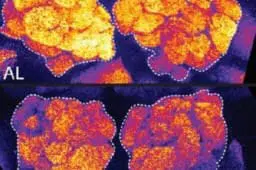 On top, the brain of a sleep-deprived fly glows orange because of Bruchpilot a communication protein between brain cells. These bright orange brain areas are associated with learning. On the bottom, a well-rested fly shows lower levels of Bruchpilot, which might make the fly ready to learn after a good night’s rest.